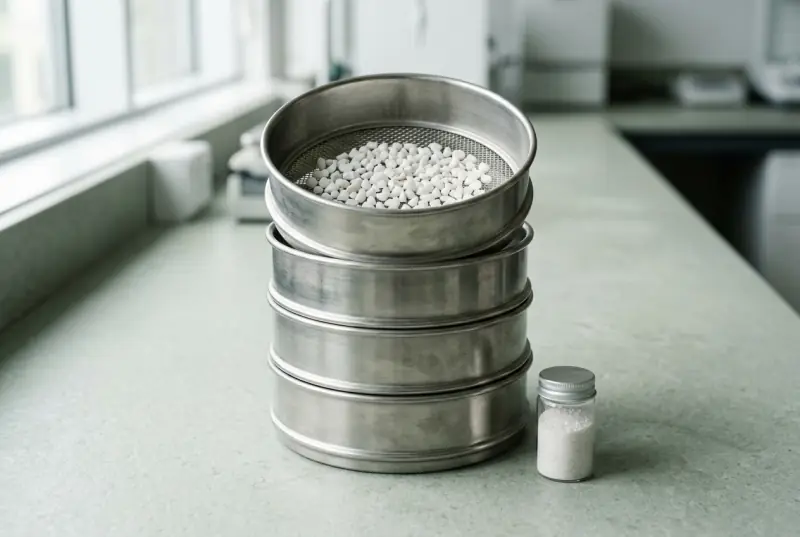
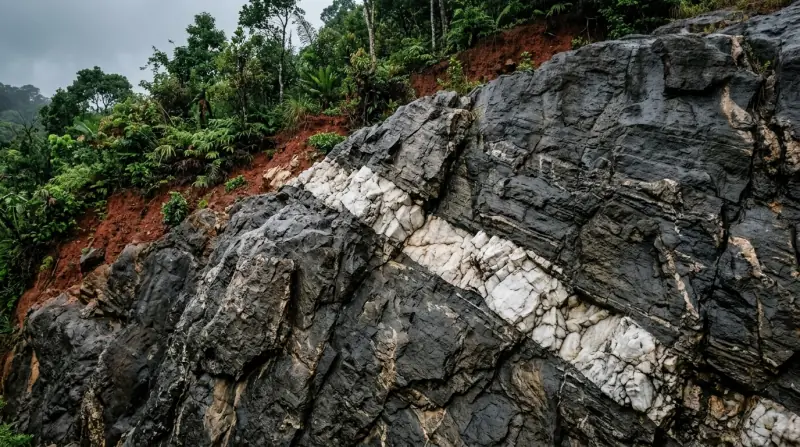
In short. Dry physical processing runs mainly on electricity and uses little or no process water. Wet plants, unlike dry ones, add water use, pumping and drying. Purifying with chemicals adds reagents, heating and waste handling. Fewer steps may mean a smaller footprint, but only a measured comparison can support a claim, and dust control comes first at any quartz operation.
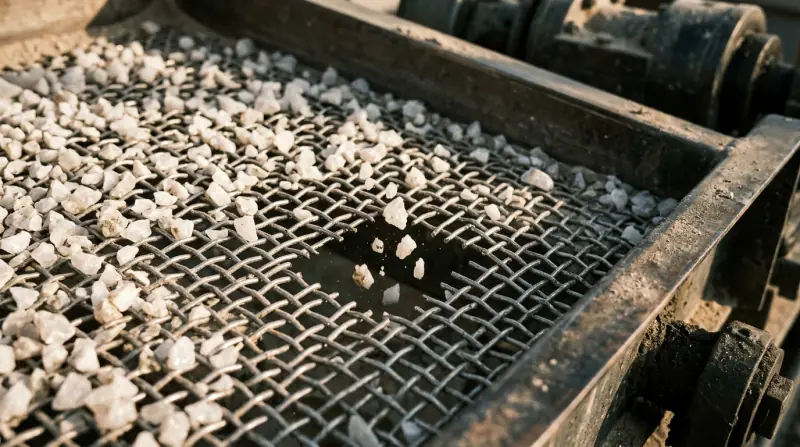
Quartz processing routes differ a great deal in what they consume. It is tempting to turn that into a marketing claim. A claim needs evidence, so this article sets out the differences and what it takes to measure them.
Dry physical processing
Crushing, milling, screening, sorting and dry physical separation run mainly on electricity for size reduction and material handling. Dry plants use little or no process water. The main site issues are energy use, noise and dust.
Wet processing
Washing, attrition scrubbing and flotation add water use, pumping and drying. At wet plants, water recycling, settling ponds and tailings management become part of the operation.
Chemical purification
Acid leaching and related steps add chemical consumption, heating, neutralisation of spent acid and handling of the resulting waste. They are needed for high-purity grades and bring their own handling and waste-management requirements.
What a comparison needs
A processing route with fewer beneficiation steps may reduce energy, water and chemical requirements compared with more intensive routes. Actual environmental performance depends on the specific process, the energy source, the water-recycling system and production conditions. Only a lifecycle assessment to a recognised standard, such as ISO 14040 and ISO 14044, turns that into a number you can compare. Until we publish one, we make no comparative footprint claims.
Dust comes first
Fine quartz dust contains respirable crystalline silica, which can cause silicosis after prolonged exposure. Any quartz operation, and any customer handling fine powder, needs dust control: enclosed transfer points, extraction, suppression where it suits the process, air monitoring and respiratory protection. Buyers should ask for the safety data sheet and follow it.
Land and water
Mining changes land. Responsible practice covers drainage control, protection of nearby water, and rehabilitation of worked areas under the conditions of the mining permit.
Revised September 2026 to separate industry background from what quartz.lk supplies.