In short. Quartz reaches a semiconductor fab in five stages: mining and selection, physical beneficiation, chemical and thermal purification, crucible and part manufacturing, and qualification by the wafer maker or fab. Specialist processors, not mines, run the purification stage. Processed vein quartz from a mine enters at the first two stages, as feedstock.
quartz.lk supplies processed quartz feedstock. Nothing on this site should be read as semiconductor-grade or solar-grade quartz unless the specification has been independently verified and the material qualified for that specific downstream use. Semiconductor and photovoltaic applications require additional purification, processing and customer qualification.
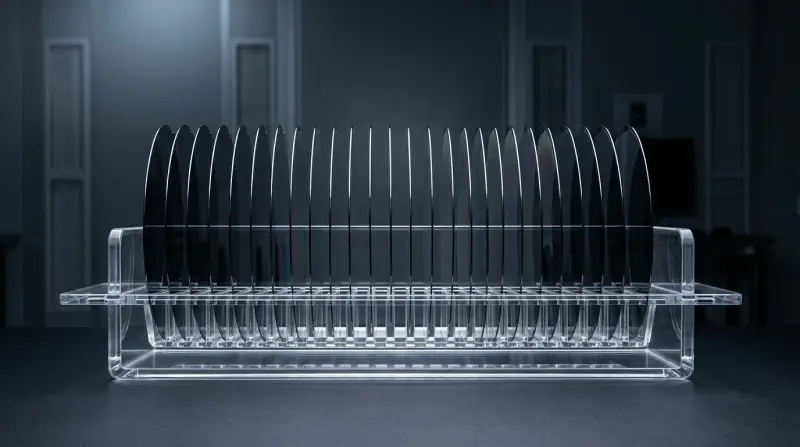
Semiconductor manufacturing uses quartz in two main ways. It holds molten silicon: single-crystal silicon ingots grow in crucibles made of fused quartz. And it builds the tools: tubes, rings, windows and other fused-quartz parts sit inside furnaces and etch chambers. Both uses need material far purer than quartz as it comes out of the ground. The route between the two runs through several companies.
1. Mining and selection
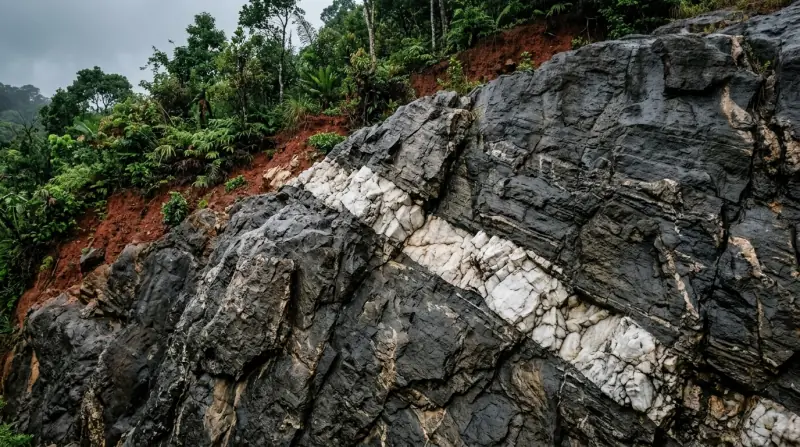
Everything starts with the source rock. Quartz for high-purity uses comes from pegmatites, hydrothermal veins and some quartzites. The deciding factor at this stage is the impurity profile, especially the impurities held inside the crystal lattice. Aluminium and titanium can sit within the quartz structure itself. Processing does not remove them, so they set a ceiling on the purity the material can ever reach.
2. Physical beneficiation
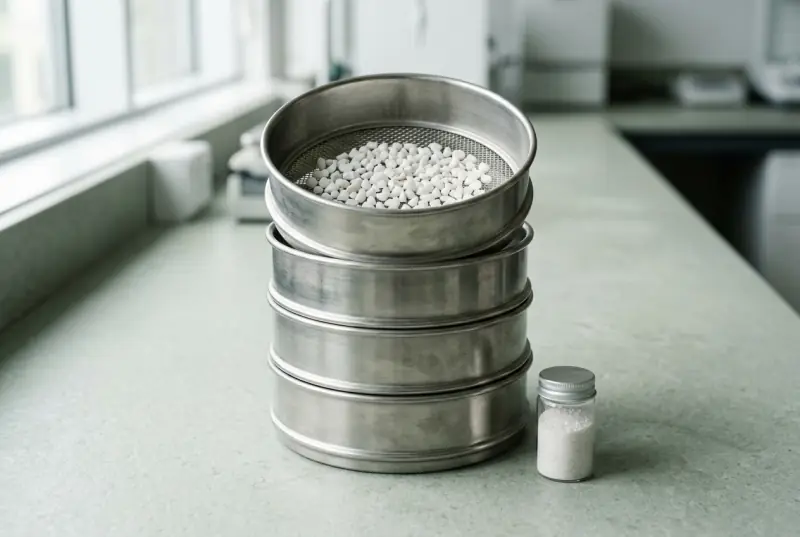
Crushing, screening, sorting and physical separation remove other minerals: feldspar, mica, iron oxides and fragments of host rock. Depending on the plant, this stage can include magnetic separation and flotation. Beneficiation improves consistency and removes much of the contamination between grains. On its own, it does not reach the purity a semiconductor supply chain needs.
3. Chemical and thermal purification
Specialist processors then treat the sand with hot acids, often mixtures that include hydrofluoric and hydrochloric acid, and in some plants with high-temperature chlorination. These specialist treatments attack surface contamination, grain-boundary material and some fluid inclusions. What leaves these plants is high-purity quartz sand. Definitions vary, but the industry commonly describes high-purity quartz as material with total impurities below about 50 parts per million. Few plants in the world make crucible-grade sand, and much of the highest-grade supply has come from a single district in North Carolina.
4. Crucible and part manufacturing
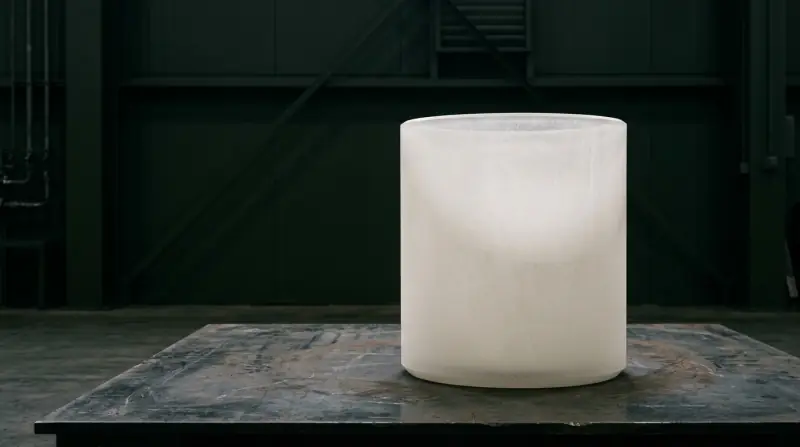
Crucible makers fuse the sand into crucibles. The inner layer, which touches the silicon melt, takes the purest grade. The outer layer carries structural load and heat and can use a less strict grade, though still high-purity quartz. Makers of fused-quartz tubes and components follow a similar path.
5. Qualification
Wafer makers and fabs qualify every source over long trials. A new quartz source has to show that it behaves the same way, batch after batch, before it reaches production. Qualification belongs to the downstream manufacturer. A mine or a primary processor cannot declare its own material semiconductor-grade.
Where processed vein quartz fits
Our work sits in the first two stages: selected Sri Lankan vein quartz, processed dry, with a batch Certificate of Analysis. Whether a given lot could go further depends on its lattice impurity profile, which only element-by-element analysis shows. That is why we report measured impurities rather than a grade name. The decision to purify, and the qualification that follows, sit with processors and manufacturers further down the chain.
Revised September 2026 to separate industry background from what quartz.lk supplies.